What OBSDN DEX Actually Is
Most decentralized exchanges are built on the same foundation: they aggregate liquidity for the same few hundred popular tokens. If you want to trade a specific, high-conviction altcoin that isn't in the top 200, you usually hit a wall of illiquidity or massive slippage. OBSDN DEX takes a different approach. It positions itself not just as an aggregator, but as an execution infrastructure layer designed for traders who follow niche signals rather than mainstream volume.
The platform distinguishes itself by focusing on non-standard perp tickers. While traditional DEXs compete on which major pairs they support, OBSDN builds infrastructure for assets that matter to specific trading strategies but lack the depth of Bitcoin or Ethereum. This isn't about chasing the next meme coin randomly; it's about providing reliable execution for altcoins that have established traction but haven't reached the liquidity thresholds of centralized giants.
To manage the risk associated with these thinner markets, OBSDN integrates an AI layer that scores every trading signal. This moves the experience beyond simple price aggregation. Instead of just showing you where to buy, the system evaluates the quality and context of the signal itself, offering actionable market context before you execute. This combination of niche asset support and intelligent scoring creates a distinct environment for DeFi traders who need precision over breadth.
This infrastructure is particularly relevant for traders who rely on off-chain research or specialized market analysis. By filtering noise and prioritizing execution for assets that matter to specific strategies, OBSDN offers a focused alternative to the one-size-fits-all model of most decentralized exchanges.
How the AI layer scores what matters
Most perp DEXs trade the same 200 tickers. OBSDN takes a different approach by scoring every signal through an AI layer. This isn't just about volume; it's about identifying which market moves actually matter. The system filters noise to highlight high-probability setups, giving traders a clearer picture of where liquidity is flowing.
The AI layer evaluates signals based on real-time data patterns. It looks beyond simple price changes to understand context. By prioritizing signals that show genuine market interest, OBSDN helps traders avoid false breakouts and low-quality trades. This focus on "what matters" is the core differentiator for the platform.
This algorithmic scoring transforms raw data into actionable insights. Instead of sifting through endless charts, traders get a curated view of the most significant opportunities. The result is a more efficient trading experience that aligns with the fast-paced nature of DeFi markets.
How OBSDN DEX Handles Market Structure
Liquidity isn't just a number on a dashboard; it's the physical space where trades actually happen. For OBSDN DEX analysis, understanding how this infrastructure absorbs volatility is more important than tracking daily volume spikes. The platform relies on concentrated liquidity models that cluster capital around specific price ranges, creating deeper pools for traders while reducing slippage for standard orders.
When the market moves quickly, wide spreads can vanish in seconds. OBSDN’s routing logic interacts with these pools by aggregating depth across multiple segments. This means a large trade doesn't just dip into one pool but scans the entire order book structure before executing. The result is a smoother price curve that mimics centralized exchange behavior without requiring a central counterparty.
To analyze this effectively, you need to look beyond simple TVL metrics. Tools like Dune Analytics provide the raw data schemas needed to track real-time liquidity shifts and price impact across different trading pairs. By monitoring how capital flows in and out of these concentrated ranges, you can spot where the real liquidity is hiding before it moves.
The technical reality of this structure is best seen in action. Below is a technical chart of a relevant pair showing how liquidity depth correlates with price stability during high-volume periods.
How to execute trades with low slippage
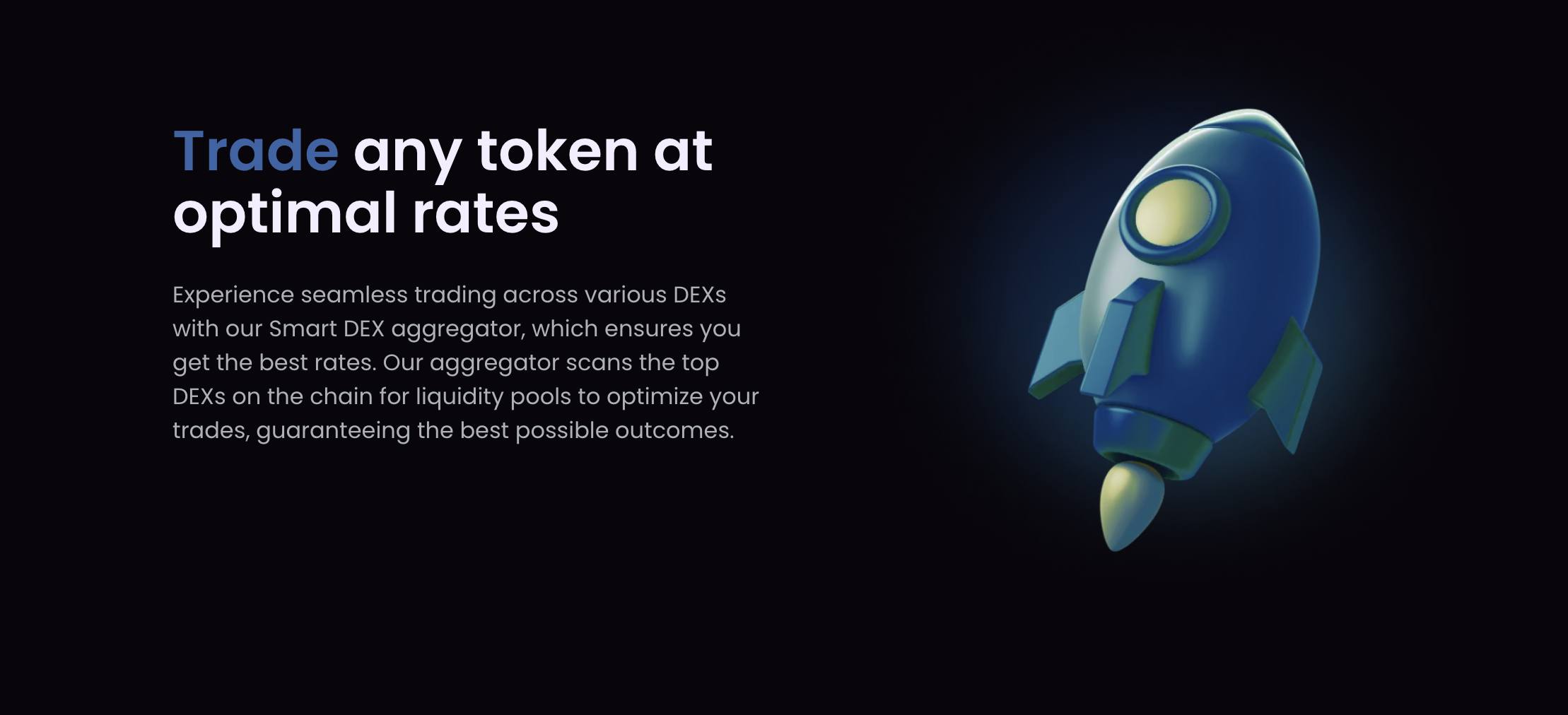
Optimizing your entry and exit points on OBSDN DEX requires more than just picking the right token. In 2026, the infrastructure has shifted from simple swaps to intelligent aggregation. The goal is to minimize slippage by leveraging the underlying smart aggregator that queries multiple decentralized exchanges simultaneously. This system identifies the best trading rates across fragmented liquidity pools, ensuring you get the most favorable price available at any given moment.
Before placing a trade, it helps to visualize the liquidity depth. A drop in liquidity often precedes increased slippage, so monitoring these metrics can save you significant costs during volatile periods.

To ensure your execution strategy is robust, follow this pre-trade checklist. Verifying these parameters helps avoid common pitfalls like front-running or excessive gas fees.
- Check Aggregator Depth: Confirm the aggregator has queried sufficient DEXs to find the optimal route.
- Verify Liquidity Pools: Ensure the target pool has enough depth to absorb your trade size without significant price impact.
- Review Gas Estimates: High network congestion can erode profits; check current gas prices before executing large orders.
- Set Slippage Tolerance: Adjust your slippage tolerance based on the asset's volatility and the current market conditions.
By treating execution as a systematic process rather than a spontaneous action, you align your trading behavior with the advanced capabilities of the OBSDN DEX infrastructure. This approach not only improves your fill rates but also reduces the hidden costs associated with inefficient trading.
OBSDN DEX Analysis: Niche Liquidity vs. Standard Perp DEXs
Most perpetual DEXs compete for the same 200 tickers, creating crowded order books and similar slippage profiles. OBSDN distinguishes itself by targeting niche assets where standard aggregators often fail to find deep liquidity. This approach shifts the focus from volume chasing to precision execution.
The platform’s smart aggregator queries multiple decentralized exchanges to identify the best trading rates, but its real edge lies in the AI layer. Every signal is scored by an AI layer that evaluates liquidity depth and execution probability before the trade is placed. This reduces the risk of failed transactions on illiquid pairs.
| Feature | Standard Perp DEX | OBSDN DEX |
|---|---|---|
| Ticker Variety | ~200 Major Assets | Niche & Emerging Assets |
| Signal Processing | Manual/Basic Filters | AI-Driven Scoring |
| Liquidity Source | Primary Order Books | Smart Aggregation |
| Execution Speed | Standard | Optimized for Slippage |
By combining AI-driven insights with a broader asset universe, OBSDN offers a different infrastructure for traders who need more than just the most popular pairs. The platform’s ability to score signals allows for better risk management in volatile, low-volume markets.
Helpful gear
Use these product recommendations as a starting point, then choose the size, material, and price point that fit how you actually use the gear.


As an Amazon Associate, we may earn from qualifying purchases.
No comments yet. Be the first to share your thoughts!