OBSDN DEX infrastructure overview
Use this section to make the OBSDN DEX Infrastructure decision easier to compare in real life, not just on paper. Start with the reader's actual constraint, then separate must-have requirements from details that are merely nice to have. A practical choice should survive normal use, maintenance, timing, and budget. If a recommendation only works in an ideal situation, call that out plainly and give the reader a fallback path.
The simplest way to use this section is to write down the must-have criteria first, then compare each option against those criteria before weighing nice-to-have features.
The intelligence engine and market data
Most perpetual DEXs are trapped in a loop, trading the same 200 tickers while ignoring the actual pulse of the market. OBSDN breaks that cycle by running an intelligence engine that monitors over 500 sources in real time. This isn't just a larger dataset; it's a different way of seeing. By scanning far beyond the usual liquidity pools, the system identifies trading opportunities before they hit mainstream platforms.
The goal is simple: get ahead of the crowd. While other platforms react to price movements that have already happened, OBSDN's infrastructure processes signals from a much wider array of data points. This allows traders to spot trends and volatility spikes early, giving them a window to act before the broader market catches up. It turns market data from a lagging indicator into a leading signal.
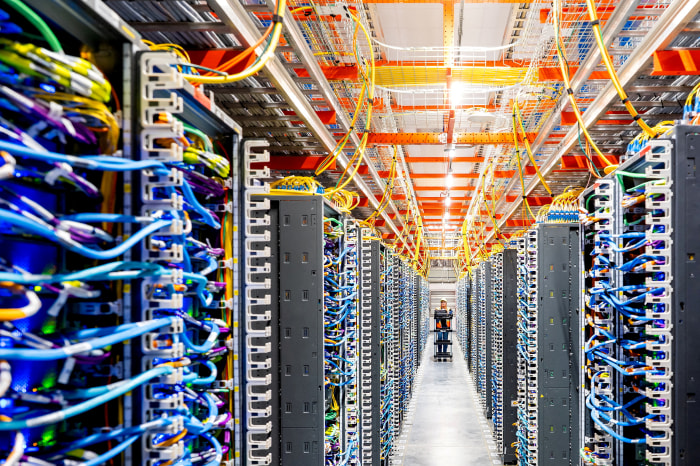
This approach requires robust infrastructure to handle the volume of incoming data without slowing down execution. The system filters noise to highlight what actually matters, ensuring that the opportunities surfaced are actionable. For traders looking to navigate 2026's volatility, having access to this depth of information is the difference between chasing a trade and anticipating it.
Execution strategy for low slippage
Use this section to make the OBSDN DEX Infrastructure decision easier to compare in real life, not just on paper. Start with the reader's actual constraint, then separate must-have requirements from details that are merely nice to have. A practical choice should survive normal use, maintenance, timing, and budget. If a recommendation only works in an ideal situation, call that out plainly and give the reader a fallback path.
| Factor | What to check | Why it matters |
|---|---|---|
| Fit | Match the option to the primary use case. | A good deal still fails if it does not fit the job. |
| Condition | Verify age, wear, and service history. | Hidden condition issues erase upfront savings. |
| Cost | Compare purchase price with likely upkeep. | The cheapest option is not always the lowest-cost option. |
OBSDN DEX tools for traders
OBSDN DEX provides a suite of interface features designed to handle market volatility without forcing traders to juggle multiple disconnected platforms. The infrastructure focuses on execution speed and transparency, allowing users to manage positions with clear visibility into liquidity depth and slippage. This approach reduces the friction often found in decentralized trading, making it easier to react to rapid price movements.
The platform’s dashboard aggregates real-time data from various liquidity pools, giving traders a unified view of the market. Instead of guessing where the best price exists, users can see live order book dynamics and swap rates across supported pairs. This clarity helps in making faster decisions during high-volatility periods, where seconds can mean the difference between profit and loss.
For those tracking specific assets, the integration of live market widgets adds another layer of utility. Traders can monitor price action directly within their workflow, reducing the need to switch tabs or rely on external data feeds. This seamless connection between trading execution and market observation is a core part of the OBSDN experience.

PriceWidget
The interface also emphasizes security and user control. By keeping keys local and transactions on-chain, OBSDN ensures that traders retain custody of their assets while benefiting from professional-grade execution tools. This balance of accessibility and security is what makes the platform suitable for both retail traders and institutional players navigating the 2026 market landscape.
Navigating 2026 market volatility
OBSDN DEX Infrastructure works best as a clear sequence: define the constraint, compare the realistic options, test the tradeoff, and choose the path with the fewest hidden costs. That order keeps the advice usable instead of decorative. After each step, pause long enough to check whether the recommendation still fits the reader's actual situation. If it depends on perfect timing, unusual access, or a best-case budget, include a simpler fallback.
Helpful gear
Use these product recommendations as a starting point, then choose the size, material, and price point that fit how you actually use the gear.

As an Amazon Associate, we may earn from qualifying purchases.
No comments yet. Be the first to share your thoughts!