What makes OBSDN DEX infrastructure different
Most perpetual DEXs are stuck in a loop of trading the same two hundred tickers. They offer liquidity, but they don’t offer insight. OBSDN DEX infrastructure changes the game by introducing an intelligence engine that monitors over 500 sources in real time. This isn’t just about faster execution; it’s about executing on information that other platforms simply don’t see.
While standard platforms react to market moves, OBSDN anticipates them by synthesizing data from news, social sentiment, and on-chain activity. The result is a trading environment where liquidity pools are dynamic and responsive to the actual drivers of price, not just historical volume. This shift from passive liquidity to active intelligence is the core differentiator.
For traders, this means the infrastructure itself becomes an asset. You aren’t just accessing a market; you’re accessing a filtered view of the market. The OBSDN DEX infrastructure reduces noise and highlights signal, allowing for decisions based on what matters, not just what is trending.
How OBSDN DEX Infrastructure Changes Liquidity Pools
Traditional decentralized exchanges often suffer from fragmented liquidity and high slippage, forcing traders to accept unfavorable prices on smaller orders. The new OBSDN DEX infrastructure addresses this by introducing a unified margin model that coordinates liquidity across pools. This shift moves the protocol closer to the efficiency of centralized markets while maintaining the non-custodial nature of DeFi.
By consolidating liquidity, the OBSDN DEX infrastructure reduces the capital required to maintain deep order books. Traders benefit from tighter spreads and more predictable execution, as the unified pool absorbs volatility more effectively than isolated liquidity segments. This structural improvement is critical for high-stakes trading where precision matters.

The following table compares standard DEX mechanics with the new OBSDN approach, highlighting the gains in capital efficiency and execution quality.
| Feature | Standard DEX | OBSDN DEX Infrastructure |
|---|---|---|
| Liquidity Coordination | Fragmented across isolated pools | Unified margin across pools |
| Capital Efficiency | Low (redundant depth required) | High (shared liquidity depth) |
| Slippage | High on large orders | Reduced via unified pools |
| Execution Price | Variable and unpredictable | More stable and predictable |
As noted by industry analysts, this move toward open execution infrastructure represents a logical evolution in decentralized trading, bridging the gap between traditional market efficiency and decentralized accessibility Finextra. The OBSDN DEX infrastructure leverages this by ensuring that liquidity is not just present, but actively coordinated to minimize friction for the end user.
Execution strategy for 2026 traders
The shift toward open execution infrastructure on OBSDN changes how you enter and exit positions. In 2026, the focus is no longer just on finding liquidity, but on coordinating it across unified margin environments. Traders who treat the OBSDN DEX infrastructure as a simple swap interface will leave significant alpha on the table. You need to view the protocol as a modular execution layer where slippage and latency are managed through strategic pool selection.
Start by aligning your trade size with the specific pool depth. OBSDN’s architecture allows for liquidity coordination similar to centralized markets, but the mechanics are on-chain. This means large orders can be split across multiple pools to minimize market impact. Use the
to gauge real-time volatility before executing. If the asset is moving fast, breaking your order into smaller chunks across different liquidity pools on OBSDN can prevent you from getting rekt by a single bad fill.
For institutional-grade execution, consider using corporate-branded exchange environments if your firm requires strict counterparty verification. OBSDN supports these enterprise-grade setups, allowing you to control which networks and assets are accessible. This is particularly useful for risk management, ensuring that your execution strategy doesn’t accidentally route through unverified or high-risk counterparties. The goal is to maintain control over the execution path while leveraging the transparency of the DEX.
Finally, monitor the technicals closely. Use a provider-backed chart to identify key support and resistance levels before placing your order.
helps you time your entry to coincide with high-volume periods, reducing the cost of execution. By combining technical analysis with OBSDN’s flexible liquidity coordination, you can execute trades with precision and confidence.Infrastructure Risks and Data Dependencies
The OBSDN DEX infrastructure promises a leap forward in execution, but it introduces a complex web of risks that traders must navigate. Unlike standard venues, OBSDN relies on an intelligence engine that monitors over 500 sources in real time to identify and trade what matters. This breadth of data is its greatest strength and its most significant vulnerability.
When you trade on OBSDN, you are not just betting on price action; you are betting on the integrity of the data feed that drives the market. If the underlying oracle or data source is delayed, manipulated, or incomplete, the execution engine can react to stale or false signals. In high-stakes finance, a few seconds of latency or a slight discrepancy in price discovery can turn a profitable trade into a significant loss.
The reliance on external data feeds also creates a single point of failure. If the primary source experiences an outage or a glitch, the entire trading mechanism may halt or behave unpredictably. This dependency means that even if the smart contract itself is flawless, the external environment can still compromise execution quality.
Also, the complexity of the smart contracts required to handle such dynamic data increases the attack surface for potential exploits. Every new feature and data integration point is a potential entry for malicious actors. Traders must remain vigilant, recognizing that the convenience of automated, intelligence-driven trading comes with the inherent risk of system fragility.
Ultimately, the OBSDN DEX infrastructure represents a high-risk, high-reward proposition. It demands a deeper level of trust in the underlying technology and data providers than traditional DEXs. As the ecosystem matures, these infrastructure dependencies will likely become more transparent, but for now, they remain a critical factor in assessing the true cost of execution.
Frequently Asked Questions About OBSDN DEX Infrastructure
How does OBSDN differ from standard perp DEXs?
Most perpetual DEX platforms trade a limited set of the top 200 tickers. OBSDN operates differently by using an intelligence engine that monitors over 500 sources in real time, allowing it to identify and trade assets that matter to the market rather than just the most popular ones. This approach aligns with the broader shift toward open execution infrastructure that coordinates liquidity more effectively.
What is the role of the smart aggregator?
The platform functions as a smart aggregator system designed to identify the best trading rates. It queries multiple decentralized exchanges simultaneously to select the most favorable execution paths. This ensures that users get optimal pricing even as new liquidity pools are added to the network.
Is OBSDN a centralized or decentralized exchange?
OBSDN is built as a decentralized exchange infrastructure. Unlike centralized platforms that hold user funds, OBSDN relies on smart contracts and on-chain liquidity. The platform focuses on the backend execution logic, providing a transparent and non-custodial environment for trading.
How does OBSDN handle liquidity coordination?
The infrastructure is designed to support unified margin and liquidity coordination, a model previously seen primarily in centralized markets. By integrating these features, OBSDN aims to reduce fragmentation and improve capital efficiency for traders across different pools.
Can I use OBSDN alongside other DEX tools?
Yes. The platform is designed to be compatible with existing DeFi tools. Traders can use OBSDN’s execution engine while interacting with other decentralized applications or wallets. The focus is on seamless integration rather than creating a closed ecosystem.
Helpful gear
Use these product recommendations as a starting point, then choose the size, material, and price point that fit how you actually use the gear.
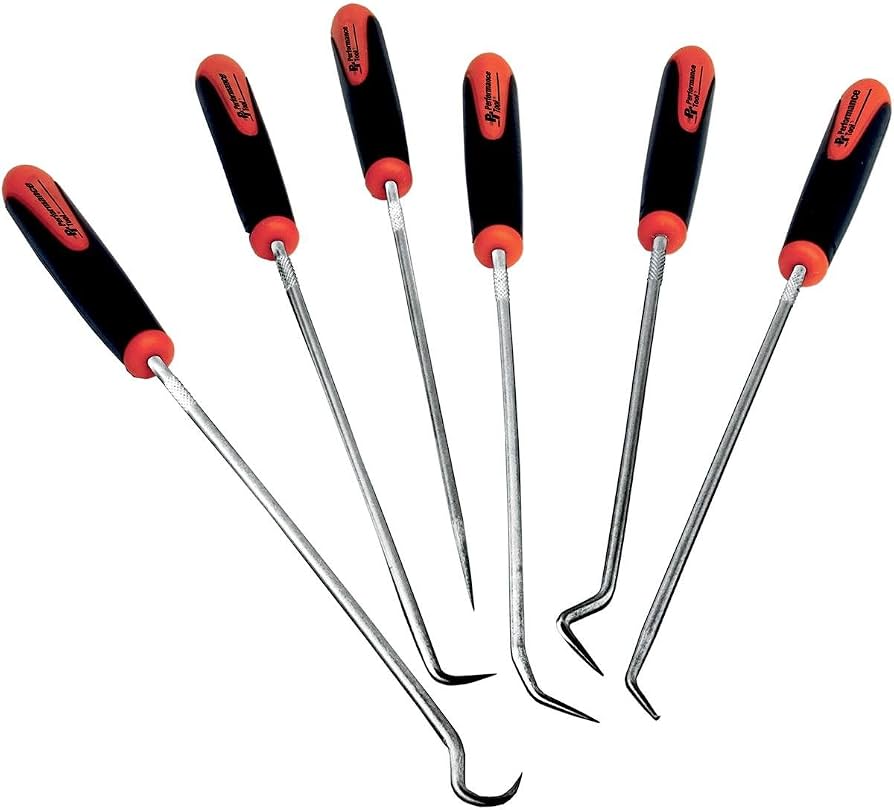
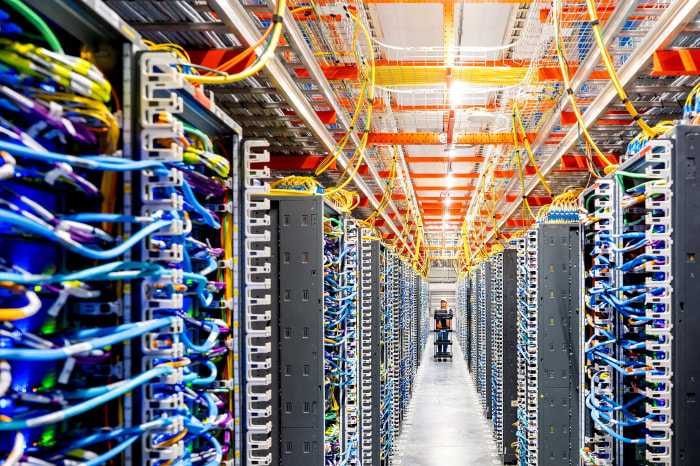
As an Amazon Associate, we may earn from qualifying purchases.
No comments yet. Be the first to share your thoughts!