The 2026 DeFi Market Context
The DeFi landscape in 2026 is defined by a paradox: trading volume has reached unprecedented levels, yet execution quality remains the primary bottleneck for profitability. Unlike the early days of decentralized finance, where simple arbitrage could generate consistent returns, today’s market is dominated by sophisticated institutional players and automated market makers that react to order flow in milliseconds. For any infrastructure project like OBSDN DEX, the challenge is no longer just about listing tokens; it is about providing the routing intelligence necessary to navigate fragmented liquidity pools.
Liquidity is no longer centralized in a few major protocols. It is spread across dozens of chains, layer-2 solutions, and specialized AMM designs. This fragmentation means that a single large trade can suffer significant slippage if the trading engine cannot intelligently split orders across multiple venues. The cost of this inefficiency is measured in basis points lost per trade, which compounds rapidly over time. Infrastructure quality now directly correlates with alpha preservation. Traders are willing to pay higher fees for protocols that demonstrate superior price discovery and execution certainty.
The rise of MEV (Maximal Extractable Value) protection has also shifted the baseline expectations for all DEXs. Users no longer accept front-running as a cost of doing business. Protocols that integrate private transaction relays or commit-reveal schemes provide a distinct competitive advantage. In this environment, OBSDN DEX must position itself not just as a trading venue, but as a critical piece of financial infrastructure that prioritizes user sovereignty and execution integrity. The difference between a viable protocol and an obsolete one in 2026 is the ability to handle complex market dynamics without compromising on speed or security.
Infrastructure: routing and liquidity depth
OBSDN DEX handles liquidity by aggregating sources rather than relying on a single pool. This approach minimizes slippage, especially for larger trades. The infrastructure routes orders to find the best price across multiple venues.
Routing logic splits orders to reduce market impact. Instead of hitting one pool with a large trade, the system fragments the order. This keeps prices stable and execution costs lower for traders.
Liquidity depth matters more than raw volume. A deep pool absorbs trades without moving the price. OBSDN DEX prioritizes venues with strong depth, ensuring consistent fills even during volatility.
Live market data helps track this infrastructure. The chart below shows recent price action and volume, reflecting how the routing system handles real-time liquidity.
Comparison: liquidity aggregation strategies
Different DEXs use various methods to manage liquidity. Here is how OBSDN DEX compares to other common approaches.
Tools for Low-Slippage Execution
Precision in decentralized trading comes down to how well the infrastructure handles order routing and liquidity fragmentation. OBSDN DEX has built its execution layer around minimizing slippage, ensuring that large trades don’t erode your entry or exit prices through adverse price movement.
At the core of this system is smart order routing. Instead of sending your trade to a single pool, the protocol scans available liquidity across multiple sources. It then splits or directs your order to the path offering the best effective price. This reduces the impact cost, which is the difference between the mid-market price and the price you actually get filled at.
The platform also utilizes advanced limit order types that persist off-chain until execution conditions are met. This allows traders to set specific price targets without holding tokens in volatile on-chain contracts. If the market moves against your target, the order simply doesn’t execute, protecting you from partial fills at unfavorable rates.
To understand the current market context for these tools, here is the live price action for the OBSDN token:

These features work together to create a trading environment that feels closer to centralized exchanges in terms of price stability, while maintaining the non-custodial security of DeFi. By reducing the friction of execution, OBSDN allows traders to focus on strategy rather than fighting the mechanics of the swap.
Strategy: optimizing trade timing
Execution timing determines whether a trade slips into slippage or captures the intended price. On OBSDN, the difference between a fill and a reversion often comes down to two variables: network congestion and liquidity depth. You need to watch both simultaneously.
Monitor gas fees and network congestion before executing large trades.
Liquidity depth is the other half of the equation. Thin order books amplify price impact, especially for larger orders. Use a live chart to identify low-volume periods where your trade will have minimal impact on the market price.
The chart above shows the volume profile for OBSDN. Notice the gaps in trading activity. These are the windows where execution is cheapest. Avoid trading during high-volume spikes unless you are reacting to immediate news. Instead, cluster your orders during these low-volatility periods to minimize slippage and maximize capital efficiency.
Recommended trading hardware and software
High-stakes DeFi trading requires more than just a reliable internet connection. Your physical and digital infrastructure is the first line of defense against smart contract exploits, phishing attacks, and operational errors. Treating your setup as an investment in security pays for itself in prevented losses. We recommend a layered approach that separates signing authority from daily browsing.
Hardware wallets for cold storage
Never sign transactions from a browser-connected device. Use a dedicated hardware wallet like a Ledger or Trezor to store your long-term holdings. These devices keep private keys offline, ensuring that even if your computer is compromised, your assets remain secure. Look for models with a secure element chip for added protection against side-channel attacks.
Security-focused browsers and extensions
Your daily trading environment needs isolation. Use a dedicated browser profile or a virtual machine for DeFi interactions. Install reputable security extensions that warn about known malicious contracts and phishing domains. Keep your browser and operating system updated to patch vulnerabilities that could be exploited during a trade.
Multi-signature wallets for team accounts
If you are managing shared funds or a DAO treasury, multi-signature wallets like Gnosis Safe are essential. They require multiple independent approvals to execute transactions, reducing the risk of a single point of failure. This setup adds a layer of procedural security that is critical for larger portfolios.
Reliable market data feeds
Accurate data is vital for execution. Rely on official or primary sources for price feeds and contract addresses. Avoid third-party aggregators that may have delayed or manipulated data. Verify contract addresses directly from the project’s official documentation before interacting with any smart contract.

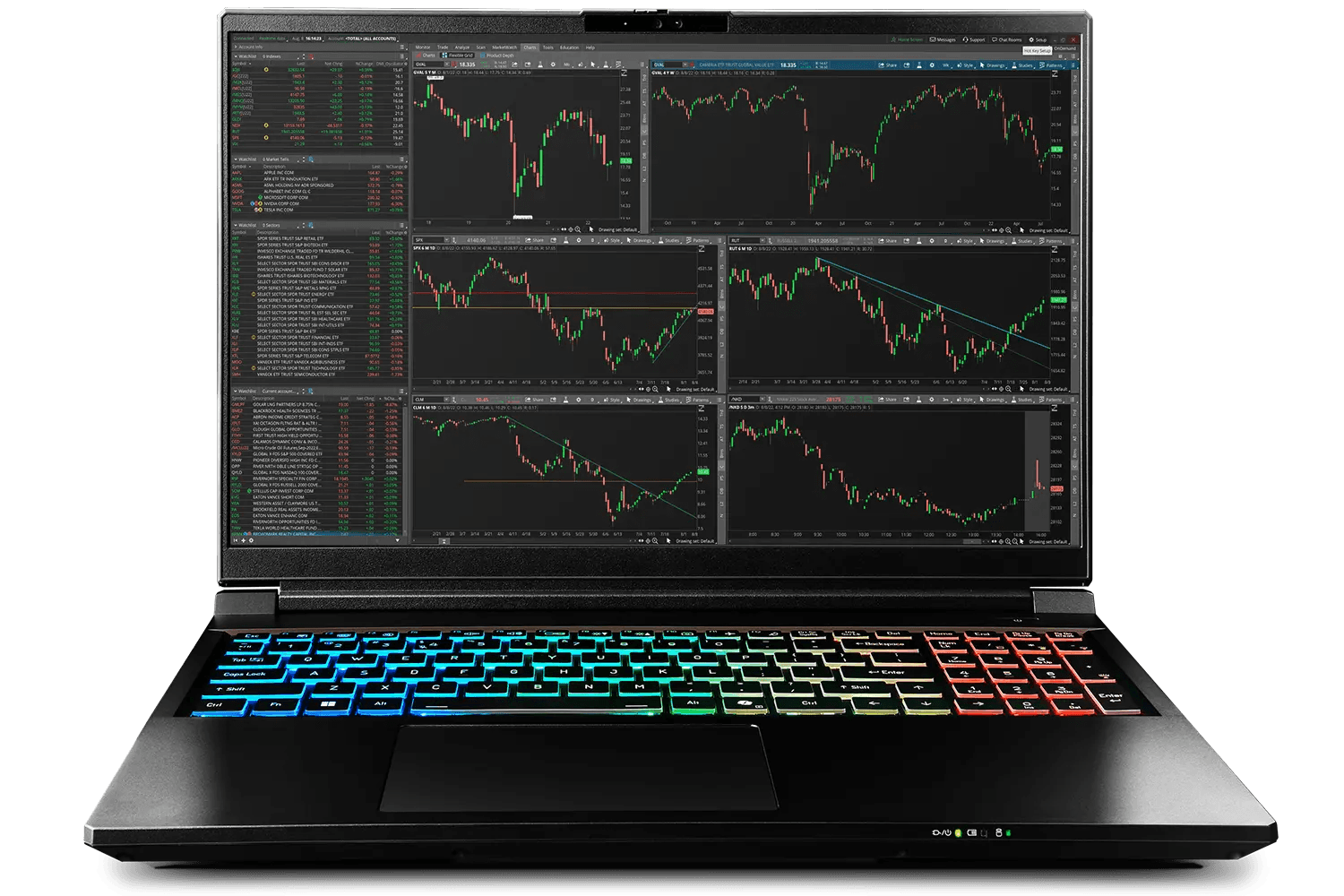

As an Amazon Associate, we may earn from qualifying purchases.

Checklist for your 2026 OBSDN setup
Before executing trades on the OBSDN DEX, ensure your infrastructure matches the demands of high-frequency DeFi trading. A fragmented setup leads to missed opportunities and unnecessary slippage. Follow these steps to build a reliable trading environment.

Use a hardware wallet for cold storage and a dedicated browser extension for active trading. Never share your seed phrase. Enable multi-signature requirements if managing a treasury or shared account to prevent single-point failures.
Confirm that your wallet is connected to the correct OBSDN-supported chain. Mismatched networks are the most common cause of failed transactions. Check the official OBSDN DEX documentation for the latest supported networks and bridge requirements.
Maintain a separate reserve of the native gas token for transaction fees. Ensure your primary trading pair has sufficient liquidity depth to handle your intended trade size without excessive slippage. Monitor the OBSDN DEX dashboard for real-time pool health.
A disciplined setup reduces friction and protects your capital. Treat your trading environment as critical infrastructure, not an afterthought.
No comments yet. Be the first to share your thoughts!