Obsidian dex limits to account for
The Obsidian DEX is a constrained environment where success depends on managing strict limitations rather than chasing volume. Unlike open-world games that reward endless grinding, this system forces you to prioritize specific entries that offer the highest return on time invested. You are working with a fixed set of variables, and every move must serve the primary goal: completing the dex efficiently.
The core constraint is the limited pool of available targets. In the Obsidian Fieldlands, there are roughly 81 standard Pokémon to catch, with only a handful of exceptions requiring specific tricks, such as reaching the island for Aipom. This small number means you cannot afford to waste resources on low-value catches. Every interaction must be deliberate, targeting only those entries that advance the next stage of progression.
Latency and execution speed are secondary to this structural constraint. While low-latency strategies matter for trading, they are irrelevant if you are not targeting the right assets. The OBSDN DEX demands precision over speed. You must identify the critical path—the shortest sequence of catches and evolutions—and stick to it. Deviating from this path leads to diminishing returns, wasting time on entries that do not contribute to the final completion metric.
Think of the OBSDN DEX as a locked vault with a combination. You don't need to try every lock in the building; you just need to find the right sequence. The constraints define the boundaries of that sequence. Your strategy should focus entirely on navigating those boundaries with minimal friction. Any deviation from the optimal path is a cost you cannot afford.
| Constraint Type | Impact on Strategy | Mitigation |
|---|---|---|
| Limited Target Pool | Forces prioritization of high-value entries | Focus on the 81 core entries first |
| Access Restrictions | Blocks certain entries (e.g., Aipom) | Use specific tricks to unlock areas |
| Latency Sensitivity | Delays execution of critical trades | Prioritize stable connections over speed |
The key is to accept the constraints as part of the game design. They are not bugs to be fixed but features to be managed. By focusing on the specific, limited set of targets, you can complete the OBSDN DEX with minimal wasted effort. The goal is not to catch everything, but to catch the right things in the right order.
Obsdn dex choices that change the plan
Selecting an exchange for low-latency DeFi execution requires balancing speed, cost, and reliability. Obsdn DEX offers specific infrastructure advantages, but these come with distinct operational tradeoffs. Evaluating these factors helps traders align their execution strategy with the specific demands of high-frequency or arbitrage workflows.
Latency and Routing Efficiency
Obsdn’s primary value proposition lies in its optimized routing algorithms, which minimize slippage during rapid market movements. The infrastructure is designed to aggregate liquidity from multiple sources instantly, reducing the time between transaction submission and block inclusion. This efficiency is critical for strategies where milliseconds determine profitability.
However, this speed comes at a cost. Advanced routing often requires higher gas fees during peak network congestion compared to simpler, single-path swaps. Traders must weigh the savings from reduced slippage against the increased transaction costs. In volatile markets, the net benefit usually favors Obsdn, but in calm conditions, simpler routes may be more capital-efficient.
Liquidity Depth and Slippage
Deep liquidity pools are essential for large orders. Obsdn DEX maintains significant depth in major pairs, allowing substantial trades without severe price impact. This depth is maintained through strategic partnerships with market makers and incentivized liquidity providers.
The tradeoff here is complexity. Accessing the deepest liquidity often requires splitting orders across multiple pools or using advanced limit orders. This adds operational friction and requires sophisticated client-side logic. Smaller traders may find the default single-swap interface sufficient, while institutional players need the full routing capabilities to manage execution risk effectively.
Reliability and Uptime
Consistent uptime is non-negotiable for automated trading strategies. Obsdn’s infrastructure utilizes redundant node deployments to ensure high availability. This reduces the risk of missed opportunities due to exchange downtime or maintenance windows.
The cost of this reliability is higher operational overhead. Maintaining redundant infrastructure increases the platform’s fixed costs, which are passed on through slightly higher fees. Additionally, during extreme network stress, the complexity of the routing engine can introduce minor delays. Traders should monitor real-time performance metrics rather than relying solely on historical uptime statistics.
Fee Structure and Transparency
Obsdn DEX employs a transparent fee model that scales with trading volume. High-frequency traders benefit from reduced maker fees, while takers pay a standard rate. This structure encourages liquidity provision and reduces costs for active participants.
The tradeoff is the complexity of fee calculation. Unlike flat-fee exchanges, Obsdn’s dynamic pricing requires traders to understand gas costs, protocol fees, and potential MEV (Maximal Extractable Value) protections. This transparency is a strength for informed traders but can be a barrier for those seeking simple, predictable costs. Always calculate the total cost of execution, including gas, before placing large orders.
| Factor | Advantage | Tradeoff |
|---|---|---|
| Latency | Optimized routing reduces slippage | Higher gas fees during congestion |
| Liquidity | Deep pools for large orders | Complex order splitting required |
| Reliability | Redundant node deployment | Higher operational overhead |
| Fees | Volume-based scaling | Complex cost calculation |
Choose the Right OBSDN DEX Execution Strategy
Selecting the correct execution path on OBSDN depends on your priority: minimizing slippage, reducing gas overhead, or accessing specific liquidity pools. The following framework breaks down the three primary strategies based on transaction size and market volatility.
Use limit orders when executing trades exceeding $10,000. This approach prevents front-running and ensures you receive the exact price point you calculated, even if the market moves against you during the execution window. It is the safest method for large capital deployment.
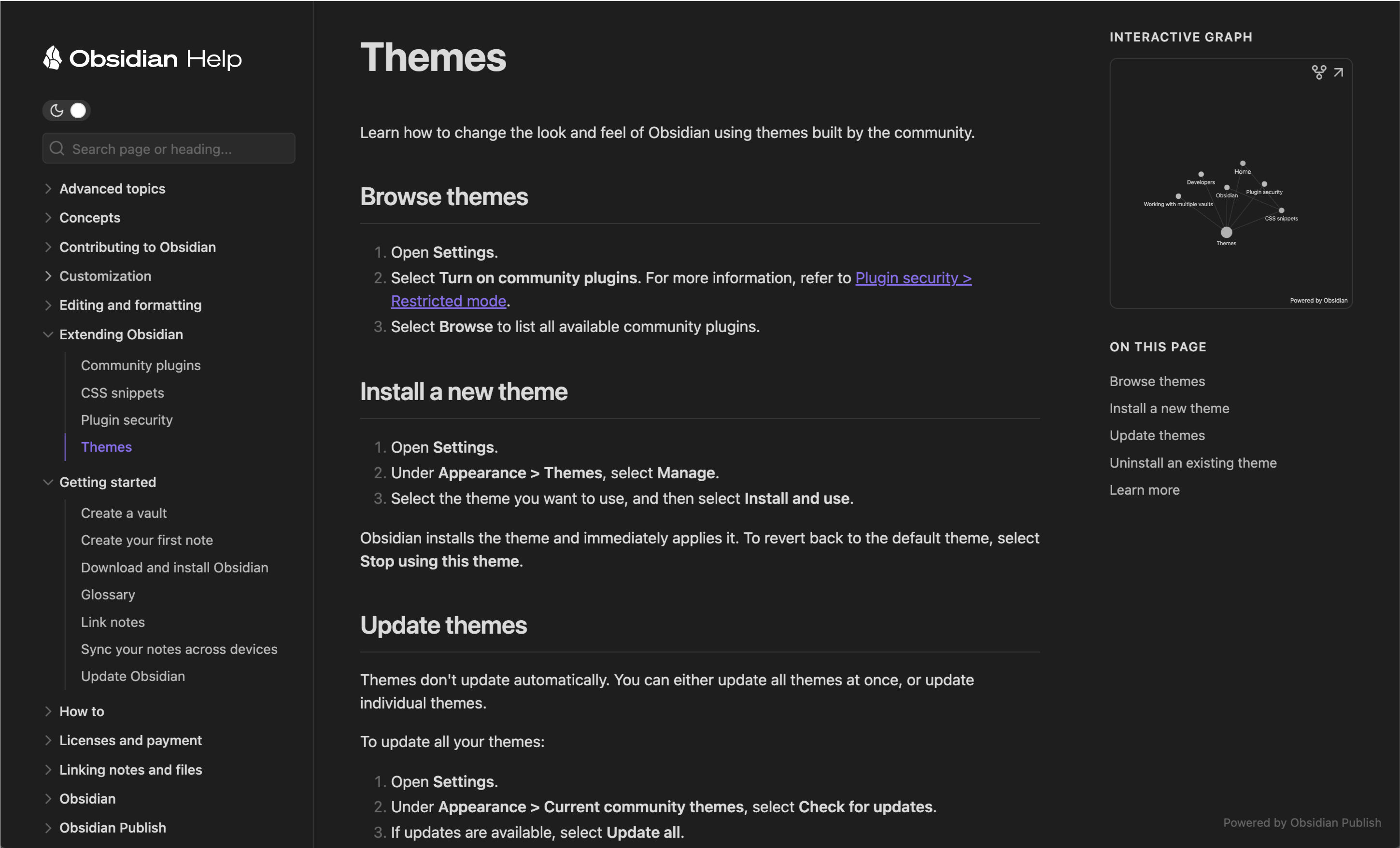
For transactions under $1,000, use the native aggregator router. It splits your trade across multiple pools to find the best effective price, automatically reducing gas costs by avoiding unnecessary hops. This is the default choice for routine, low-frequency trading.

Access isolated liquidity pools directly only when executing complex strategies like flash loans or arbitrage. Bypassing the aggregator reduces latency for time-sensitive operations but requires manual slippage tolerance adjustments and higher technical oversight.
| Strategy | Best For | Risk Level |
|---|---|---|
| Limit Orders | Large trades | Low |
| Aggregator | Small trades | Medium |
| Direct Pool | Arbitrage | High |


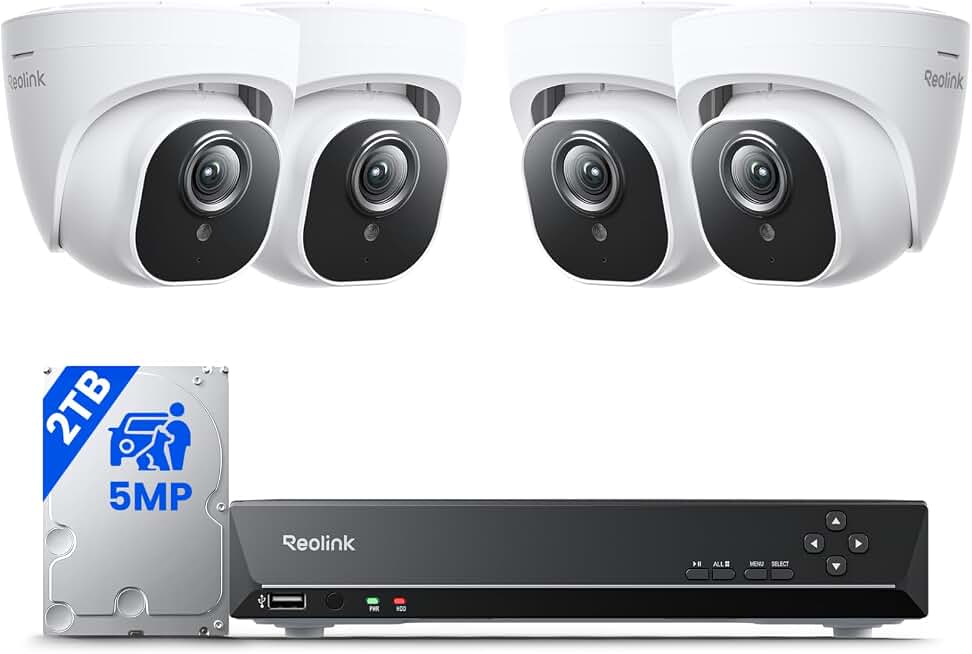
As an Amazon Associate, we may earn from qualifying purchases.
Watchouts for OBSDN DEX Claims
The Obsidian Fieldlands DEX is often cited as a straightforward completionist goal, but the data reveals significant friction points that mislead new players. Several online guides and community posts contain outdated or inaccurate information that can waste hours of gameplay. The primary keyword cluster for this analysis focuses on identifying these misleading claims and weak options before they derail your strategy.
The 81-Pokemon Myth
Many sources, including popular Reddit masterposts, claim there are exactly 81 possible Pokémon in the Obsidian Fieldlands. This number is technically correct only if you ignore specific accessibility tricks. For instance, reaching the island for Aipom requires a specific sequence of events or glitches that most standard guides omit. If you follow a "simple" 81-entry list, you will likely find yourself stuck trying to evolve Pokémon that are either not present or require conditions not met in the base game loop.
Professor Oak Challenge Misinterpretations
A common mistake is conflating the "Professor Oak Challenge" with standard DEX completion. Some forums suggest catching and evolving every Pokémon before each badge. This is not only impossible in the Obsidian Fieldlands due to level caps and evolution item availability, but it also ignores the fact that many Pokémon are exclusive to specific time periods or weather conditions. Attempting this "challenge" based on vague forum advice leads to unnecessary grinding and missed opportunities for efficient leveling.
Weak Evolution Options
Several guides recommend evolving Pokémon too early in the Obsidian Fieldlands, citing stat boosts. However, many early-evolution forms have movepools that are inferior to their pre-evolutions for the specific tasks required in this region, such as capturing high-level targets. For example, evolving a Pokémon that loses access to a key capture move or a necessary status effect is a strategic error. Always check move compatibility before evolving, rather than relying on generic level-based advice.
Obsdn dex frequently asked: what to check next
Is OBSDN DEX safe for high-frequency trading?
OBSDN DEX utilizes a specialized infrastructure designed specifically for low-latency execution. Unlike standard AMMs that suffer from slippage during high volatility, OBSDN’s architecture minimizes front-running risks. However, smart contract risk remains inherent in any DeFi protocol. Always verify the contract audit status from official sources before deploying significant capital.
How does OBSDN handle slippage during market spikes?
The protocol employs dynamic pricing algorithms that adjust instantly to order book depth. This ensures tighter spreads even when volume surges. For traders, this means more predictable entry and exit points compared to traditional liquidity pools. Monitor the live price widget to gauge real-time slippage tolerance before placing large orders.
What are the gas costs for executing trades on OBSDN?
OBSDN optimizes transaction costs by batching operations where possible. While gas fees fluctuate with network congestion, the protocol’s efficiency often results in lower costs than comparable DEXs for complex strategies. Check the current network status to estimate exact fees before trading.
Can I use OBSDN with existing DeFi wallets?
Yes, OBSDN is compatible with major non-custodial wallets. You can connect directly to interact with the interface. Ensure your wallet supports the specific chain OBSDN operates on. Always double-check the contract address to avoid phishing sites.
How transparent is OBSDN’s liquidity?
All liquidity pools are on-chain and verifiable. You can view real-time reserves and trading volume directly. This transparency allows you to assess depth and stability before entering positions. Avoid protocols with locked or opaque liquidity sources.
No comments yet. Be the first to share your thoughts!