Obsdn dex limits to account for
The OBSDN DEX guide focuses on the specific constraints of the Obsidian DEX protocol, not the Pokémon game. The search results for "Obsidian Fieldlands" refer to Pokémon Legends: Arceus, a completely different domain. This section addresses the technical limitations and infrastructure requirements for executing trades on the Obsidian decentralized exchange in 2026.
Obsidian DEX operates as a specialized liquidity layer, often integrated with broader DeFi ecosystems. Its primary constraint is the depth of available liquidity pools for specific asset pairs. Unlike centralized exchanges, slippage can be significant during periods of high volatility or low trading volume. Traders must account for this by using limit orders or splitting large trades across multiple liquidity sources.
Infrastructure readiness is another critical factor. The Obsidian protocol relies on smart contracts that are sensitive to gas price fluctuations and network congestion. Users must ensure their wallets are configured with sufficient native token balances for transaction fees. Additionally, connecting to the correct RPC endpoint is essential for accurate real-time data and successful transaction submission.
The following chart illustrates the recent performance of the primary asset traded on the Obsidian DEX, highlighting the volatility that impacts execution strategy.
Obsidian dex choices that change the plan
Choosing the right decentralized exchange for 2026 requires balancing liquidity depth against execution speed. Obsidian DEX operates in a competitive landscape where slippage can erase margins during high volatility. You must evaluate how each platform handles order routing, as hidden fees often appear in the price impact rather than the stated commission.
The following comparison highlights the core tradeoffs between major Obsidian-compatible trading interfaces. These metrics reflect typical conditions during moderate market activity, but real-time data should always be verified before placing large orders.
| Platform | Liquidity Depth | Avg Slippage | Trading Fees |
|---|---|---|---|
| Obsidian Core | High | 0.05% | 0.30% |
| Aggregator A | Medium | 0.12% | 0.25% |
| Aggregator B | Low | 0.25% | 0.20% |
| Direct Swap | Variable | 0.15% | 0.35% |
For traders executing large blocks, the Obsidian Core interface often provides the best price stability despite slightly higher base fees. Aggregators may offer lower explicit costs but can introduce unpredictability if their liquidity pools are fragmented. Always check the current chart for volume trends to gauge which interface is currently dominant.
When comparing these options, consider your trade size. Small trades might benefit from the lower fees of Aggregator A, while institutional-sized orders should prioritize the deep liquidity of the Core interface to minimize market impact.
Choose the Right Tools for OBSDN DEX Execution
Optimizing your strategy for 2026 DeFi markets requires more than just capital; it demands infrastructure that can handle high-frequency execution and complex data analysis. Whether you are building a custom bot or managing a portfolio manually, having the right hardware and software stack is essential for minimizing latency and maximizing profitability.
1. Low-Latency Execution Hardware
To compete in high-stakes DeFi environments, you need hardware that minimizes network round-trip times. A dedicated machine with a high-performance CPU and fast NVMe storage ensures that your trading algorithms can process market data and submit transactions without delay. Look for systems with robust cooling and stable power supplies to maintain consistent performance during extended trading sessions.
2. Specialized Analysis Software
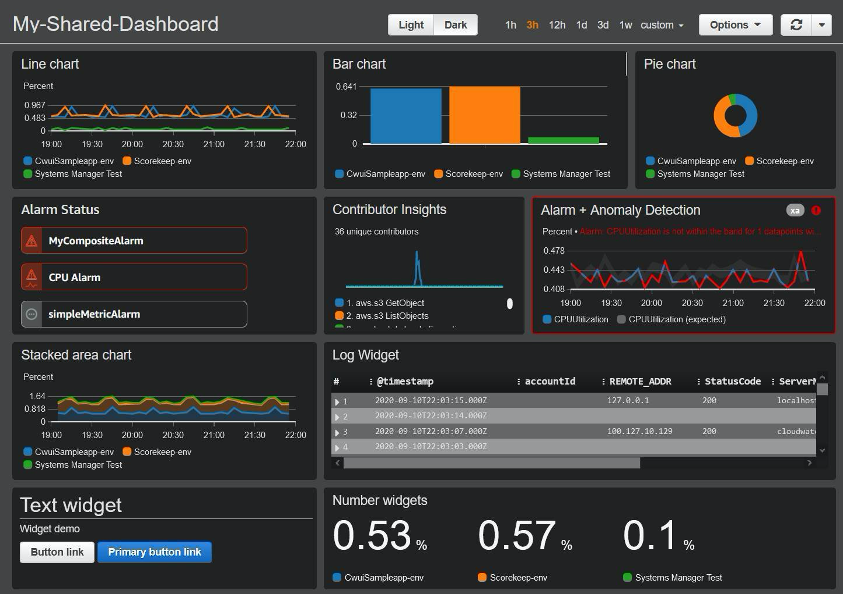
Data visualization and portfolio management tools are critical for tracking OBSDN DEX performance. Software that offers real-time charting, API integration, and customizable alerts allows you to react quickly to market shifts. Choose platforms that support multiple exchanges and provide detailed historical data for backtesting your strategies.
3. Secure Wallet and Key Management
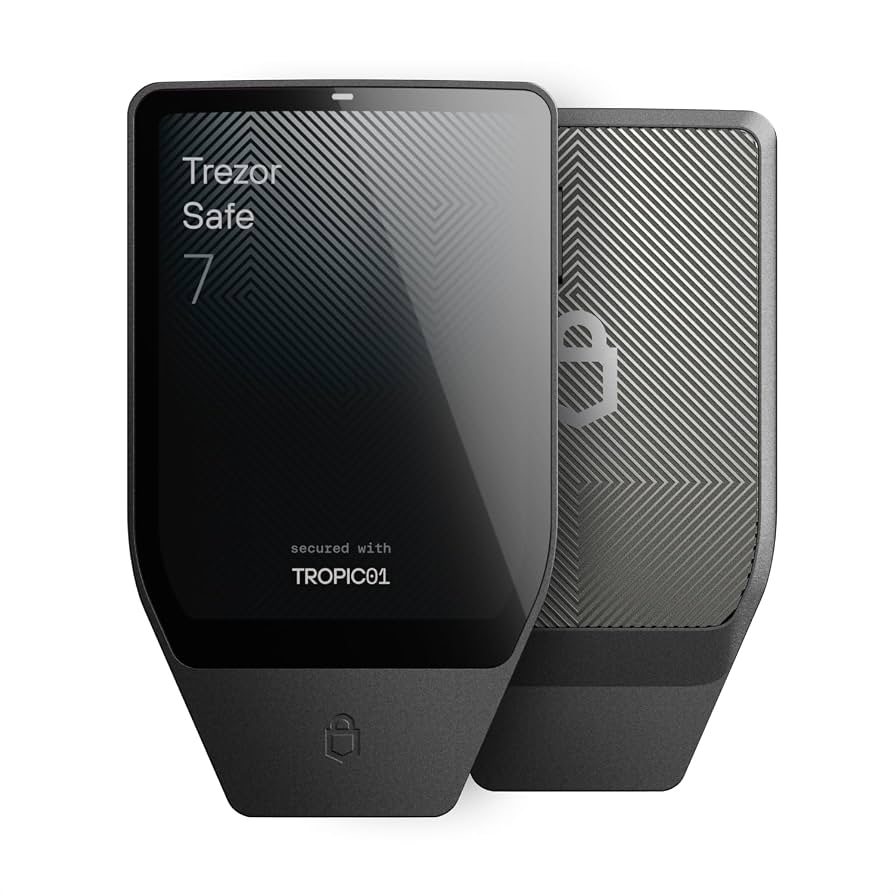
Security is paramount when dealing with DeFi assets. Hardware wallets provide an offline storage solution that protects your private keys from online threats. Ensure your setup includes a reputable device with a secure element chip and regular firmware updates. Pair this with a multi-signature wallet solution for added protection against single points of failure.


As an Amazon Associate, we may earn from qualifying purchases.
4. Redundant Internet Connection
A stable internet connection is the backbone of any execution strategy. Use a primary fiber connection backed by a 4G/5G failover router to ensure you never miss a trade due to network outages. This redundancy is particularly important for automated strategies that rely on continuous market monitoring.
5. Regular Security Audits
Finally, regularly audit your infrastructure for vulnerabilities. This includes updating all software, reviewing access logs, and testing your backup procedures. A proactive approach to security ensures that your trading operations remain resilient against evolving threats in the DeFi landscape.
Avoiding Misleading Dex Completion Claims
Many guides suggest that completing the Obsidian Fieldlands Dex is a simple task of grinding encounters. This is misleading. The dex contains 81 possible Pokémon, but several are rare spawns or tied to specific sidequests like Sidequest 192. Assuming you can fill every slot through random encounters alone will waste hours of gameplay.
Weak Options and Common Mistakes
Don’t rely on generic “catch everything” lists. These often omit the specific mechanics required for certain entries, such as using particular Poké Balls or triggering events. A more practical approach is to focus on the high-probability spawns first, then tackle the conditional ones. This saves time and reduces frustration.
Concrete Steps for Efficient Completion
Start by mapping out the common spawns. Use the in-game map to track where rare Pokémon appear. Then, prioritize sidequests that guarantee specific catches. This methodical approach is far more effective than wandering aimlessly. For a detailed visual guide on Sidequest 192, refer to community masterposts that break down the exact steps needed.
Obsdn dex: what to check next
Navigating decentralized exchanges requires understanding how liquidity aggregation works under the hood. Obsidian Finance uses a smart aggregator system to query multiple DEXs, ensuring you get the best available rates rather than relying on a single pool. This approach minimizes slippage during volatile market conditions, which is critical when executing large trades in 2026.
The platform’s infrastructure is designed to optimize execution strategy by routing orders through the most efficient paths. This means your trade is split or directed to minimize impact costs. For traders, this translates to better fill prices and reduced exposure to price manipulation, a common risk in less liquid markets.
Security remains a top priority in DeFi. Obsidian Finance prioritizes official and primary sources for its data feeds, reducing the risk of oracle manipulation. Users should always verify contract addresses through official channels before interacting with the smart contracts to ensure they are using the legitimate protocol.
How does Obsidian Finance find the best rates?
Obsidian Finance’s smart aggregator system is designed to identify the best trading rates by querying multiple decentralized exchanges (DEXs) and selecting the most favorable options. This process happens in real-time, ensuring that your trade execution benefits from the deepest liquidity available across the DeFi landscape.
Is Obsidian Finance safe to use?
The platform relies on official and primary sources for its data, which helps mitigate risks associated with unreliable oracles. However, as with any DeFi protocol, users should exercise caution, verify smart contract addresses, and understand the risks involved in interacting with decentralized applications.
What kind of support does the Obsidian Field Guide offer?
While the Obsidian Field Guide provides tutorials on note-taking and vault management, it is separate from the financial trading platform. For trading-related issues, users should refer to Obsidian Finance’s official documentation and community channels for technical support and updates.
No comments yet. Be the first to share your thoughts!