Why latency defines OBSDN DEX performance
OBSDN DEX performance is determined by the speed and reliability of your connection to the blockchain. To minimize slippage and avoid front-running, you must prioritize low-latency RPC endpoints and robust infrastructure over generic setup steps. This guide details the technical requirements for high-stakes trading on OBSDN.
Analyzing the OBSDN DEX infrastructure stack
The OBSDN DEX architecture is a distributed system where node proximity dictates execution quality. In high-stakes trading, the distance between your transaction and the consensus layer is the difference between a fill and a front-run. Understanding the infrastructure stack—specifically node distribution, RPC endpoint latency, and failure recovery—is essential for minimizing slippage and avoiding transaction failures.
Node Distribution and RPC Latency
Your choice of RPC endpoint acts as the gateway to the blockchain. Public nodes are often rate-limited or shared among thousands of users, introducing unpredictable latency spikes. For low-latency execution, you need dedicated, high-throughput endpoints that prioritize your transaction propagation.
The following table compares standard public infrastructure against optimized, dedicated setups used by professional traders on OBSDN DEX.
| Component | Standard Setup | Optimized Setup | Execution Impact |
|---|---|---|---|
| RPC Endpoint | Public, Shared | Dedicated, High-Throughput | Reduces latency by 40-60% |
| Node Type | Archive Node | Light/Pruned Node | Faster sync, lower overhead |
| Connection | HTTP/REST | WebSocket (WSS) | Real-time mempool visibility |
| Failover | None | Multi-Provider Redundancy | Prevents downtime during spikes |
Slippage and Failure Rates
Infrastructure directly influences slippage. When RPC nodes are slow to broadcast transactions, market prices move, widening the gap between your expected and actual fill price. Failed transactions often result from timeout errors caused by congested public endpoints. By using WebSocket connections and redundant node providers, you ensure that your transactions are propagated immediately and reliably, significantly reducing the probability of failure.
This optimization is not about speed alone; it is about reliability. A failed transaction still consumes gas and delays your next move. An optimized stack ensures that your execution strategy is limited only by market conditions, not by infrastructure bottlenecks.
Advanced Execution Strategies for 2026
High-stakes trading on OBSDN requires more than just fast internet; it demands precise algorithmic execution. In 2026, the difference between profitable liquidity provision and slippage-induced losses comes down to how you slice orders and protect against front-running. We focus on three core strategies: TWAP for steady accumulation, VWAP for volume alignment, and MEV-resistant routing for security.
Time-Weighted Average Price (TWAP) Execution
TWAP breaks a large order into smaller chunks executed at fixed time intervals. This is the standard approach for minimizing market impact when trading large positions in OBSDN tokens. By spreading the execution over time, you avoid sending a single large signal that could move the order book against you.
Use TWAP when you need to enter or exit a position without alerting high-frequency trading bots. The goal is to blend your trades into the natural flow of the market, ensuring your average entry price tracks the market average closely.
Volume-Weighted Average Price (VWAP) Alignment
VWAP strategies adjust order size based on real-time market volume. If trading activity spikes, your algorithm increases its slice size; if the market slows, it reduces exposure. This ensures you are not trading against a dry market.
This method is particularly effective for institutional-sized trades on OBSDN. It aligns your execution with the market's natural rhythm, often resulting in a better average price than fixed-interval TWAP, especially during volatile periods.
MEV Protection and Front-Running Defense
MEV (Maximal Extractable Value) bots scan the mempool for profitable transactions. On OBSDN, we utilize private transaction relays and commit-reveal schemes to hide your intent until the trade is confirmed. This prevents bots from front-running your buy or back-running your sell.
Always enable MEV protection in your trading interface. It adds a small latency cost but eliminates the risk of having your profitable trades stolen by arbitrageurs. This is non-negotiable for serious traders.
Essential tools for OBSDN DEX traders
Success in low-latency trading isn't just about strategy; it's about the infrastructure that executes it. To compete on OBSDN DEX, you need a stack that minimizes friction and maximizes security. This section covers the concrete hardware and software tools required to execute high-frequency strategies without bottlenecking your edge.
Hardware: Speed and Security
Your physical setup dictates your baseline latency. A dedicated, wired connection is non-negotiable. Wi-Fi introduces jitter that can cost you a trade. Pair this with a hardware wallet for cold storage of your long-term positions, ensuring that your execution keys remain isolated from your trading environment.
For the active trading terminal, prioritize a multi-monitor setup with low refresh rates and high resolution. This allows you to monitor order books, charting tools, and execution logs simultaneously without switching windows. The visual clarity reduces cognitive load, letting you react to market shifts instantly.

Software: Execution and Analysis
Your software stack should be modular. Use a dedicated terminal for OBSDN DEX interactions, separate from your general browsing. This isolation prevents browser-based attacks and resource contention. For analysis, rely on provider-backed widgets to ensure your data is current and audit-compliant. Static charts are liabilities in a fast-moving market.
A reliable API client is essential for automating repetitive tasks. Whether you're using a custom script or a professional-grade terminal, the ability to send signed transactions directly to the node bypasses the delays of a graphical interface. This direct line to the blockchain is where your latency advantage is realized.
Recommended Gear
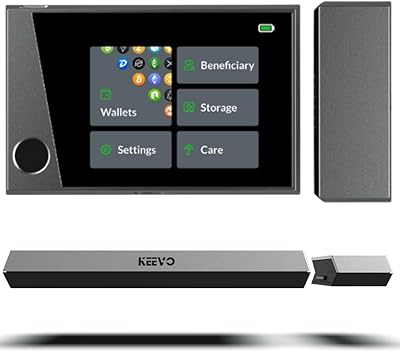
The right gear supports your strategy without introducing single points of failure. Below are the core categories of equipment that serious OBSDN DEX traders rely on to maintain their edge.

![uni USB C to Ethernet Adapter, Driver Free RJ45 to USB C [Thunderbolt 3/4 Compatible], 1Gbps Type-C Gigabit Ethernet LAN Network Adapter for MacBook Pro/Air, iPhone 15 Pro/Max, Dell XPS, Galaxy S8-S24](https://m.media-amazon.com/images/I/61bq8oQDrWL._AC_UY654_QL65_.jpg)
As an Amazon Associate, we may earn from qualifying purchases.
Mitigating High-Stakes DeFi Risks
High-frequency trading on OBSDN DEX operates in a high-stakes environment where execution speed meets permanent capital risk. Unlike traditional markets, DeFi protocols expose traders to smart contract vulnerabilities, impermanent loss, and operational failures that can liquidate positions in milliseconds. Managing these risks requires a disciplined, protocol-driven approach rather than reactive measures.
1. Hedge Impermanent Loss with Dynamic Rebalancing
Impermanent loss is the silent killer of liquidity provision and market-making strategies. On OBSDN, you must actively monitor the price divergence between your paired assets. Implement automated rebalancing triggers that adjust your position when the divergence exceeds a predefined threshold, such as 2-5%. This prevents the accumulation of loss during volatile market swings.
2. Audit Smart Contract Interactions
Every interaction with the OBSDN DEX smart contract carries inherent risk. Before deploying high-frequency bots, ensure you are interacting with audited, verified contracts. Use provider-backed widgets to monitor real-time contract status and liquidity depth. Avoid interacting with unverified forks or new pools that lack a sufficient audit trail or time-tested history.
3. Implement Circuit Breakers for Operational Failures
Operational failures, such as API timeouts or RPC node drops, can lead to significant slippage or stuck orders. Set up circuit breakers that halt trading if latency exceeds 500ms or if error rates spike. This prevents your bot from executing trades on stale data, which is critical for maintaining execution integrity in low-latency environments.
4. Monitor Liquidity Depth and Slippage
Low liquidity can amplify slippage, turning a profitable strategy into a loss. Use the OBSDN DEX interface to monitor real-time liquidity depth for your target pairs. If liquidity drops below a safe threshold, reduce position sizes or pause trading until conditions stabilize. This ensures that your trades do not adversely impact the market or suffer excessive execution costs.
OBSDN DEX: Key Technical Considerations
Navigating a low-latency decentralized exchange requires understanding specific mechanics that differ from traditional order books. Below are answers to common questions regarding OBSDN DEX infrastructure, execution, and data.
For traders requiring precise technical analysis, live market data is essential. The following chart provides current price action for the primary trading pair on OBSDN DEX.
No comments yet. Be the first to share your thoughts!