Market structure shifts in 2026
The landscape for decentralized exchange (DEX) trading is no longer defined by simple liquidity availability. In 2026, the primary challenge for OBSDN traders is navigating fragmented liquidity across layered execution environments. The old model of "find a pool, swap, done" has been replaced by a complex web of intent-based routing, cross-chain bridges, and MEV-resistant order books. For the active trader, this means infrastructure choices now directly dictate profitability.
Volatility remains high, but it is increasingly concentrated in short time windows. Large-cap assets move on news cycles that play out in minutes, while smaller OBSDN pairs suffer from thin order books that can slip significantly on modest volume. This environment penalizes passive holding and rewards precise execution. The difference between a profitable trade and a loss often comes down to slippage tolerance and the speed of order routing, not just market direction.
This shift demands a new approach to strategy. Traders must treat their execution infrastructure as a core component of their risk management. Using a DEX that offers advanced order types, real-time depth analysis, and low-latency routing is no longer optional; it is the baseline requirement for competing in 2026. Without these tools, you are trading blind against algorithms designed to front-run your moves.
Core infrastructure tools needed
Reliable execution on the OBSDN DEX requires more than just a wallet connection. It demands a secure, dedicated hardware environment to manage private keys and a stable network stack to handle high-frequency data feeds. In a high-stakes trading environment, software vulnerabilities or network latency are not inconveniences; they are direct threats to capital preservation.
Hardware Security
The first line of defense is a hardware wallet. This device stores your private keys offline, ensuring that even if your computer is compromised by malware, your assets remain secure. Look for devices with strong open-source audits and a proven track record in the crypto ecosystem. Avoid any software-only "hot wallets" for significant capital allocation.
Network and Execution Tools
For execution, you need a low-latency connection to the OBSDN node. A wired Ethernet connection is strongly preferred over Wi-Fi to minimize packet loss. Additionally, consider using a dedicated browser profile or a clean operating system instance for trading to reduce background processes that could interfere with transaction signing or data retrieval.
Essential Accessories
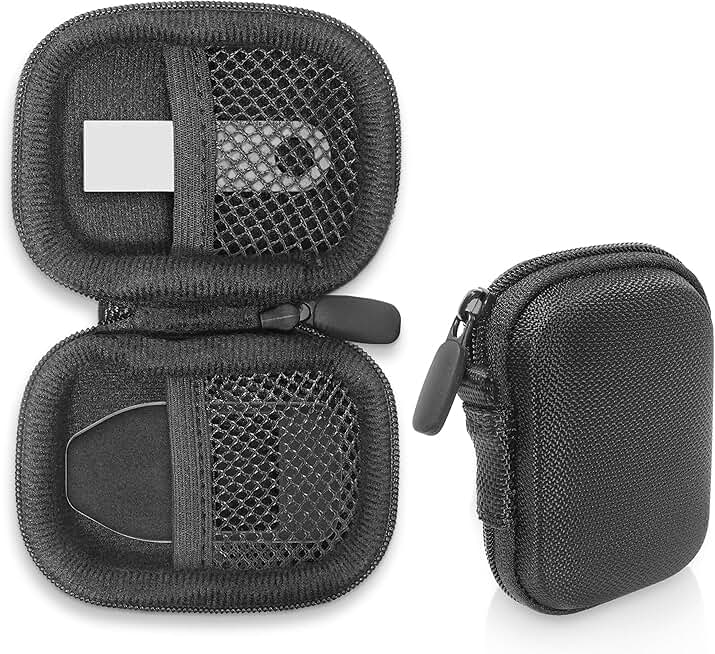
While the core infrastructure is software and hardware, certain accessories streamline the process and reduce physical risk. The following items are recommended for traders who prioritize security and efficiency.


As an Amazon Associate, we may earn from qualifying purchases.
Execution strategy for slippage
Slippage is the silent killer of DEX liquidity. On OBSDN, a large market order doesn’t just move the price; it eats through the order book, leaving you with a significantly worse average entry than quoted. In 2026, the difference between a profitable trade and a loss often comes down to how you manage this impact.
The most effective way to minimize slippage is to avoid market orders for anything beyond small, immediate fills. Instead, use limit orders to set your exact price. If you need to enter a large position, break it into smaller chunks. This approach, known as dollar-cost averaging (DCA) or iceberg ordering, prevents your trade from signaling intent to the market and keeps your execution price closer to the mid-market.
Front-running remains a persistent risk on public mempool-based DEXs. Bots scan pending transactions and insert their own orders ahead of yours. To counter this, consider using private transaction relays or MEV-protected routing if OBSDN supports them. These tools hide your transaction details until after it is included in a block, neutralizing the advantage of front-running bots.
| Strategy | Best For | Slippage Risk | Front-Run Risk |
|---|---|---|---|
| Market Order | Small, immediate fills | High | High |
| Limit Order | Precise entry/exit | Low | Low |
| DCA/Iceberg | Large positions | Medium | Medium |
| Private Relay | Large, sensitive trades | Low | None |
Timing matters. Avoid trading during periods of high volatility or low liquidity, such as major news events or low-volume hours. If possible, execute trades when the order book is deepest to absorb your size without moving the price significantly.
Risk management protocols
Decentralized exchanges offer speed and autonomy, but they also expose you to smart contract bugs and sudden liquidity evaporation. Protecting your capital requires a disciplined workflow that treats every transaction as a potential failure point. This section outlines the essential steps to mitigate these high-stakes risks.
Common obsdn dex: what to check next
Navigating the OBSDN DEX requires understanding the mechanics behind execution. Below are the most frequent queries regarding fees, security, and compatibility.
No comments yet. Be the first to share your thoughts!